Quartz vs Quartzite: What Is the Difference?

Choosing a countertop material can be challenging, especially when two options have similar stone-like appearances and offer a high-end look. Quartz and quartzite are both popular choices for kitchen countertops and bathrooms, but they have different compositions, care requirements, and performance characteristics.

At Southern Stone & Cabinets, homeowners can explore quality countertop solutions that balance style, durability, and everyday functionality. Understanding what makes quartz and quartzite different can help you select a surface that matches your home’s design, practical needs, and lifestyle preferences.

What Makes Quartz and Quartzite Different?

Quartz and quartzite are frequently compared because they have similar names and a stone-like appearance. However, they are made differently, which affects their performance, maintenance, and appearance. Quartz is made from natural quartz crystals, mineral quartz, resins, and pigments, creating a durable surface with consistent colors, patterns, and design options.

Quartzite is a natural stone formed when quartz-rich sandstone is exposed to heat and pressure over time. It is one of several natural stones used for countertops, alongside materials like granite. Each slab has unique colors, natural veining, and textures. Both materials are excellent countertop options, but the right choice depends on your design preferences, care requirements, and lifestyle.

What Should You Consider Before Choosing a Countertop?

When comparing quartz and quartzite, it is important to look beyond appearance. Factors such as strength, maintenance, and design preferences can determine which material is the better fit for your home.

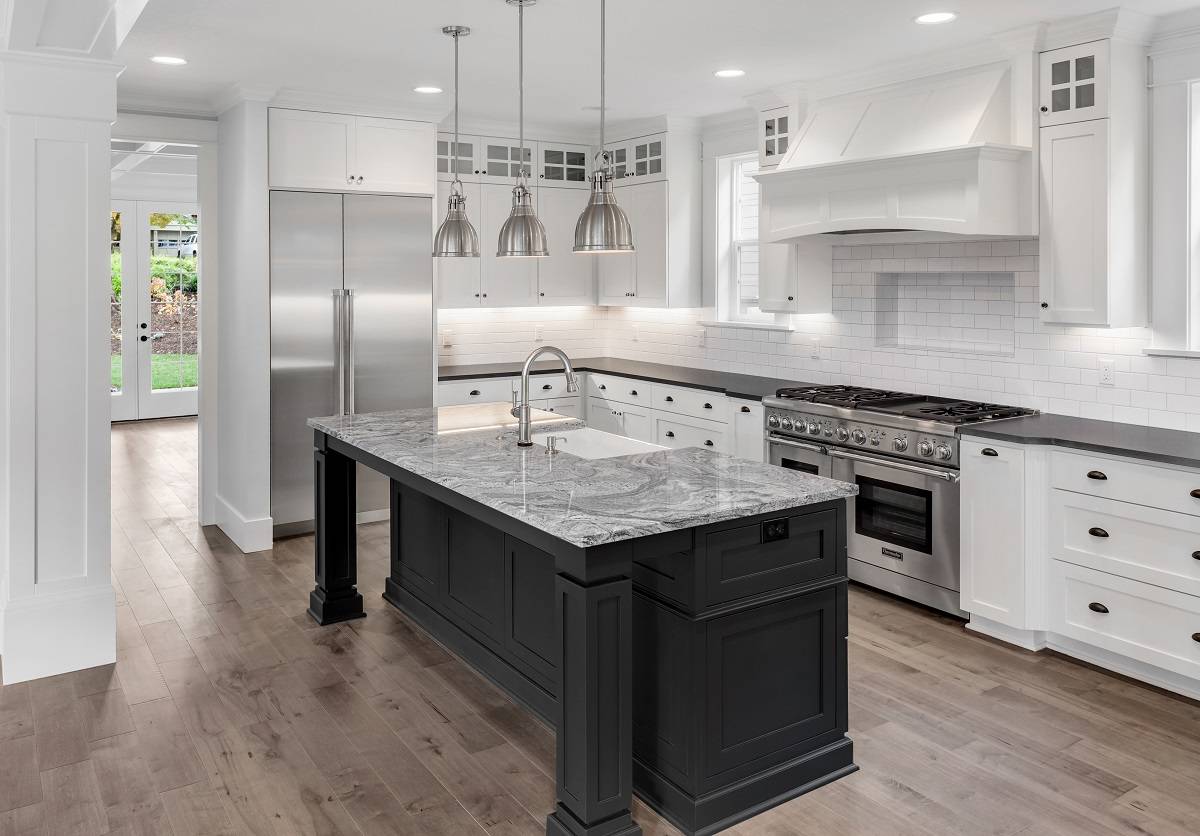
a white kitchen with a backsplash made of eternal Bella quartz that contrasts with the black base of the kitchen island and matches the white window frames and cabinetry

Maintenance Needs

One of the main differences between these materials is the level of care and maintenance they require. Quartz is a low-maintenance countertop option because it is non-porous and does not require sealing. Regular cleaning with mild soap and water is typically enough to maintain its appearance and protect the surface from everyday spills.

Natural quartzite requires more maintenance because it has a porous surface. It needs periodic sealing to reduce the risk of stains and moisture absorption. Occasional polishing may also be recommended to preserve its appearance. Homeowners who want easier upkeep may prefer quartz, while those who value the unique beauty of natural quartzite may find the additional care worthwhile.

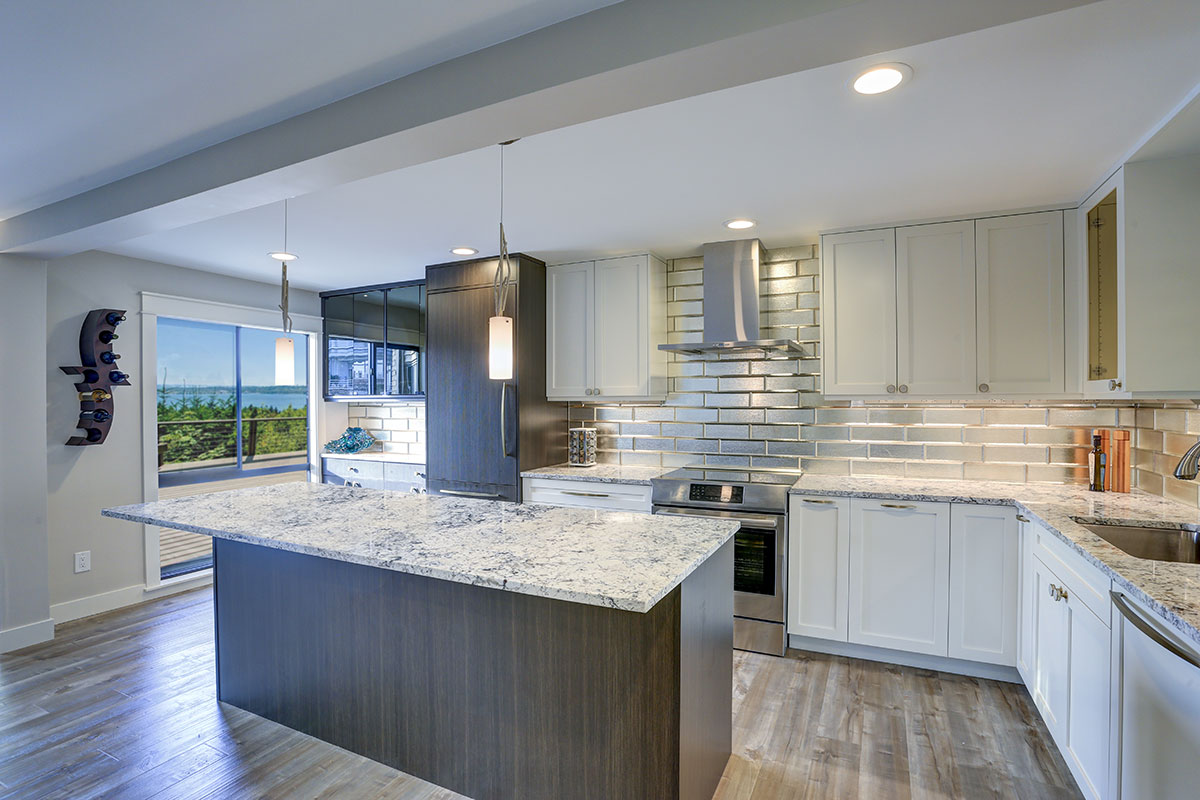
A beautiful kitchen that features stainless-steel appliances and lighting fixtures, white cabinets, black countertops, a gray-patterned stone kitchen island perched above a black base, white-painted walls, and hardwood floors

Durability for Everyday Use

Both quartz and quartzite are durable countertop options, but their performance differs based on how they are made. Quartz is an engineered stone designed to provide a strong and reliable surface that works well in busy kitchens and bathrooms where countertops are used frequently.

Quartzite is naturally hard because of the heat and pressure used during its formation. It offers excellent durability, scratch resistance, and heat resistance. With proper installation and care, both materials can provide long-lasting performance for residential spaces.

Heat and Stain Resistance

Heat and stain resistance are important factors to consider when choosing a countertop material. Quartz has a non-porous surface that helps prevent liquids from absorbing, making it resistant to many common stains. However, the resin used in quartz countertops can be affected by extreme heat, so using protective pads under hot cookware is recommended.

Quartzite can handle higher temperatures because it is a natural stone formed under intense heat and pressure. However, it still requires proper sealing to protect against stains caused by spills and moisture. Understanding these differences can help homeowners choose a material that fits their daily routines.

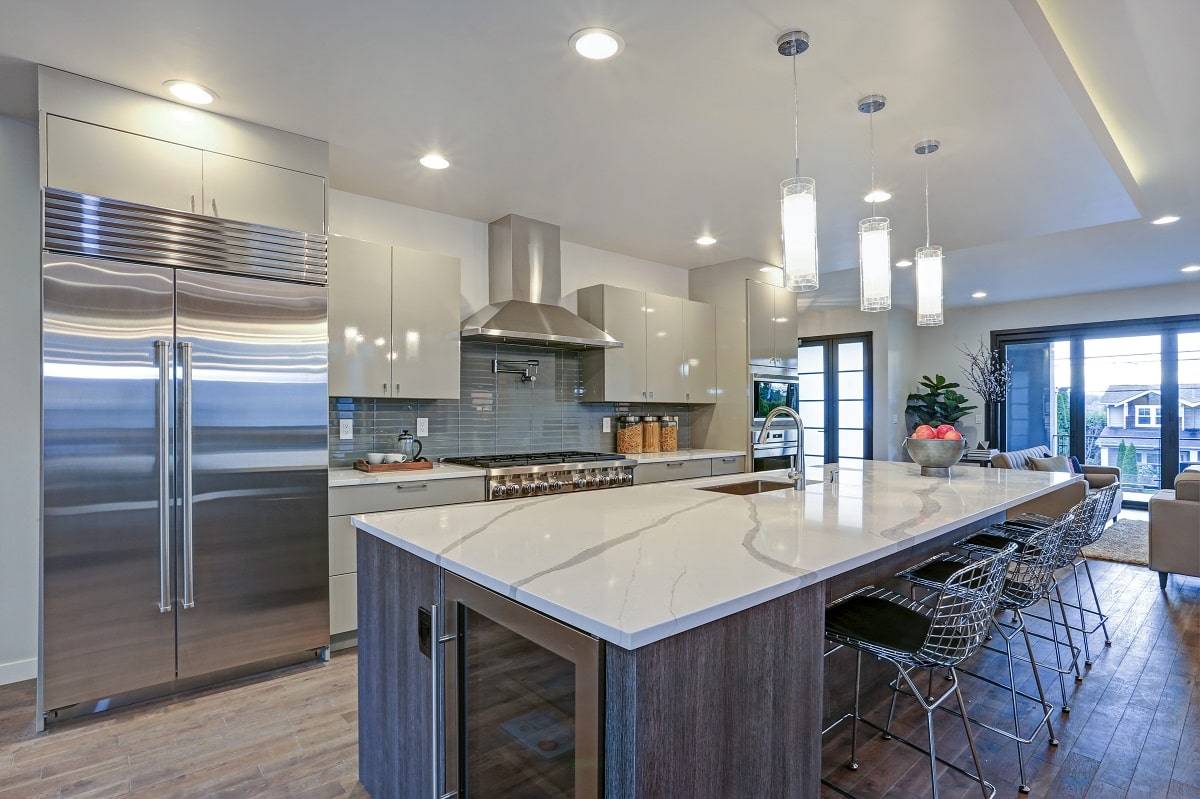
Glossy light gray cabinets with a white quartz countertop with gray veining that matches the gray color of the backsplash and the stainless material on the appliances and furniture

Design Preferences

The appearance of a countertop can greatly impact the overall style of a kitchen or bathroom. Quartz offers a wide range of colors, patterns, finishes, and design options because it is manufactured. This allows homeowners to select styles that match different interiors, including options that replicate the look of natural materials.

Natural quartzite provides a more unique appearance because each slab has natural variations in color, texture, and veining. Its one-of-a-kind patterns create a distinctive look that adds character to kitchen counters and bathrooms. The choice depends on whether you prefer design flexibility or the authentic beauty of natural stone.

Is Quartz or Quartzite Better for Your Home?

The best countertop choice depends on your lifestyle, design preferences, budget considerations, and how much maintenance you want to handle. Both quartz and quartzite offer durability, visual appeal, and long-lasting performance, but each material has advantages that suit different homeowners and spaces.

Quartz may be a good fit if you want:
  • A countertop with minimal maintenance and easy upkeep
  • Consistent colors, patterns, and finishes
  • Strong resistance to stains from everyday spills
  • A practical and durable surface for busy households
  • A wide range of design options to match different interiors
Quartzite may be a better choice if you prefer:
  • A natural stone appearance with unique character
  • Unique veining and patterns in every slab
  • A premium, one-of-a-kind look
  • A heat-resistant material with excellent durability
  • The natural character and beauty of stone

Both options can add beauty and functionality to your space. The right choice depends on whether you prioritize easy upkeep and design consistency or prefer the unique appearance and natural qualities of stone.

Upgrade Your Countertops With Southern Stone & Cabinets

These countertop materials offer unique benefits, from the easy maintenance of engineered surfaces to the natural beauty of stone. The engineered option is made using crushed quartz crystals, while the natural stone forms through heat and pressure. Understanding these differences helps you make a confident choice for your kitchen or bathroom project.

Southern Stone & Cabinets provides quality countertop solutions designed around your style, preferences, and functional needs. Whether you’re planning a kitchen remodel, bathroom remodel, or simply upgrading your countertops, our team can help you select materials that complement your space and goals. Contact us today to explore available countertop options for your next home improvement project.

a kitchen with a polished quartz countertop in white that complements the white cabinetry and the neutral toned design of the backsplash