
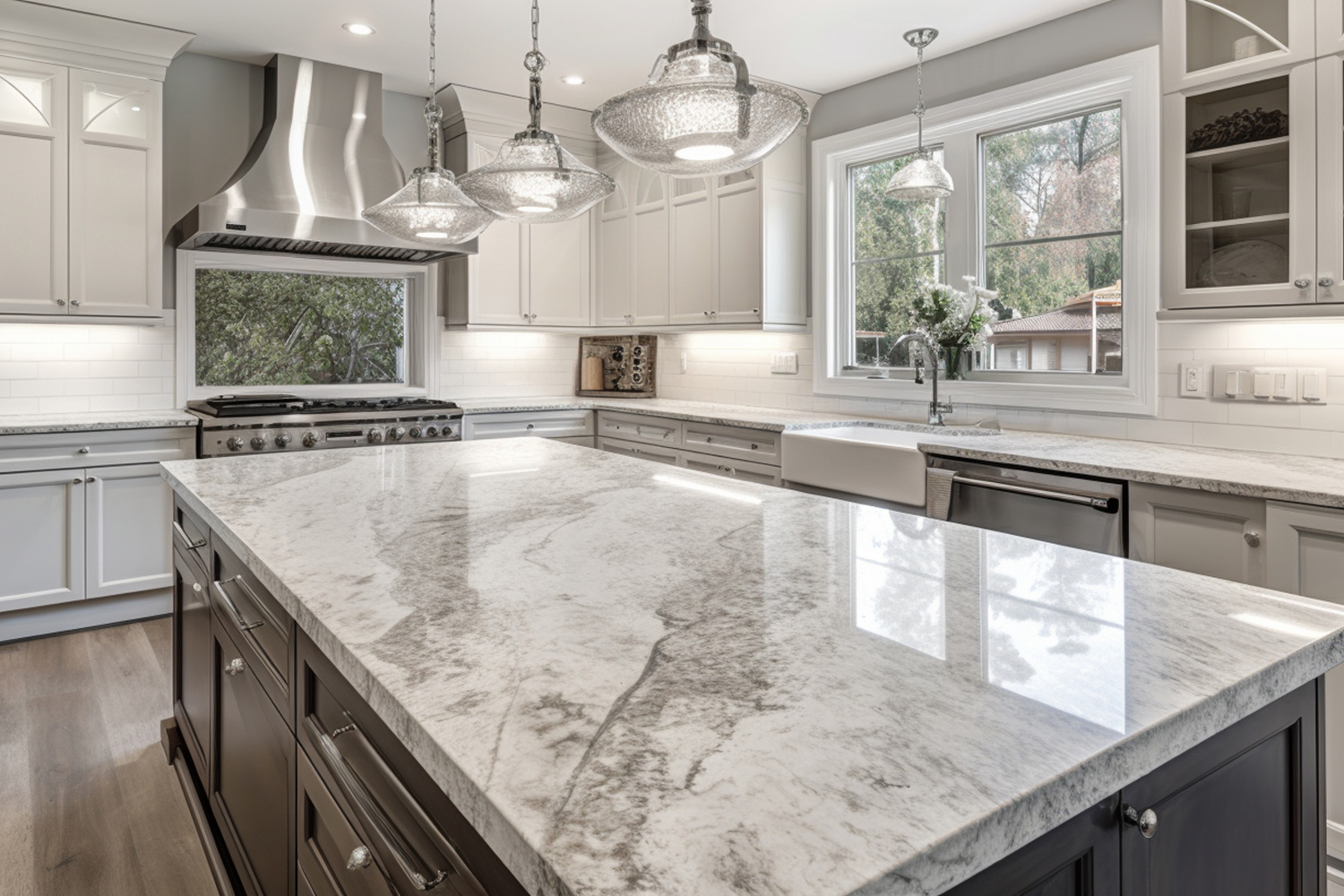
Do I Need To Seal My Countertops Every Year?

When you invest in stone countertops, you want them to stay as impressive and well-maintained as the day they were installed. Sealing your countertops is an easy way to keep them looking their best. But do you really need to seal your countertops every year?

The short answer: not always. Sealing frequency depends on the type of porous surface, how often you use your space, and the quality and sealant lifespan of your product. However, a water test is recommended annually.

Southern Stone & Cabinets provides quality countertops for your home, whether it’s a new build or a kitchen or bathroom remodel.

Why Does Sealing Countertops Matter?

Sealing countertops, especially natural stone, creates a protective barrier that prevents stains, liquids, and oils from penetrating the surface. It also makes cleaning easier, reduces bacterial buildup, protects against etching and everyday wear, and helps extend the countertop’s durability and lifespan while maintaining its appearance.

Key benefits of sealing countertops include:

  • Stain Prevention: Fills the pores of natural stones such as granite, marble, and limestone, preventing spills (wine, oil, juice) from causing stains.
  • Hygiene: Reduces porosity, making it harder for bacteria, mold, and mildew to grow in cracks and crevices, ensuring a cleaner surface.
  • Easier Cleaning: Spills remain on the surface longer, allowing easy wipe-up before they penetrate, simplifying maintenance.
  • Damage Protection: Shields against etching from acidic substances (like lemon juice) and household cleaners, preserving the finish and preventing dulling.
  • Enhanced Durability & Lifespan: Improves resistance to everyday wear and tear, extending the life of your countertops and protecting your investment.
  • Maintains Appearance: Keeps stone surfaces vibrant and new-looking by preventing discoloration and daily wear and tear.

How Does the Countertop Sealing Process Work?

The countertop sealing process includes thoroughly cleaning the surface, applying a penetrating impregnating sealer evenly, allowing it to soak in, and wiping off all excess before it dries. This fills the stone’s pores to block moisture and stains, followed by a final buff and a 24–72 hour cure time for full protection.

Remove all items from the countertop. Deep clean using a pH-neutral stone cleaner or mild detergent to remove dirt, grease, and residue. Allow the surface to dry completely before sealing.

Use a high-quality impregnating sealer designed for your specific stone type, such as granite or marble. Choose a water-based or solvent-based option in accordance with the manufacturer’s recommendations.

Work in small sections (about 3×3 feet). Apply the sealer evenly with a microfiber cloth, foam brush, or roller until the surface appears wet. Allow it to penetrate for the recommended time, typically 3–20 minutes, spreading as needed to prevent pooling.

Before the sealer dries, wipe away all residue with a clean, lint-free cloth. Leaving excess sealer on the surface can cause haze or a sticky finish.

Allow the first coat to dry for 20–30 minutes. Apply 2–3 total coats if recommended, repeating the application and wipe-off process each time.

Let the sealer cure for 24–72 hours, avoiding water and use during this time. Once dry, lightly buff the surface with a clean cloth to restore an even finish.

How Do You Check if Your Countertops Need Resealing?

To see if your countertops need resealing, try the simple water test: place a few drops of water on the surface and wait 10–15 minutes. If the water beads up, the seal is still effective. If it soaks in or darkens the stone, it’s time to reseal, as the protective layer has worn off.

Other signs your countertops may need resealing include visible stains, a rough or uneven texture, or a loss of shine. Regularly checking for these indicators helps maintain your countertops’ durability, appearance, and resistance to damage.

What Can Happen If You Skip Sealing When Needed?

Skipping the sealing step for your countertops can lead to deep stains, water damage, and bacterial growth. Acidic substances and everyday chemicals can cause surface corrosion, reducing the countertop’s shine and durability. Over time, the stone becomes more porous, harder to clean, and more susceptible to wear, potentially leading to costly repairs or replacement.

Once you receive quality countertops from us, you should maintain them regularly. Consequences of skipping sealing include:

  • Staining: Unsealed stone absorbs liquids such as wine, coffee, juice, and oils, resulting in dark, stubborn stains.
  • Water Damage: Moisture can penetrate, leaving water spots, permanent discoloration, and potentially weakening the stone or cabinets below.
  • Bacterial Growth: Pores trap liquids and food particles, creating ideal conditions for mold, mildew, and bacteria.
  • Chemical Damage: Acidic cleaners and spills can etch the surface, forming pits and dull spots.
  • Dulling & Loss of Luster: Dirt and oils accumulate, making the stone appear dull and less vibrant, even after cleaning.
  • Increased Maintenance & Wear: Surfaces become rougher, harder to clean, and more prone to wear, reducing the countertop’s lifespan.

What Are the Best Sealing and Maintenance Tips for Stone Surfaces?

To maintain natural stone, seal it with a quality penetrating sealer every 6–12 months (or when a water test shows absorption). Clean spills immediately with pH-neutral cleaners; avoid acidic or abrasive products; and protect the surface with coasters and trivets. Always follow the sealer manufacturer’s application and curing instructions for best results.

Sealing Tips

Some tips to help you seal your countertops better include:

  • Choose the Right Sealer: Select a high-quality, penetrating sealer designed for your stone type (granite, marble, slate).
  • Prepare the Surface: Clean the stone thoroughly and ensure it’s completely dry to avoid trapping dirt or moisture.
  • Apply evenly: Work in small sections, applying thin, consistent coats with a clean cloth or applicator.
  • Wipe Excess: Remove any leftover sealer immediately to prevent a cloudy or uneven finish.
  • Allow Full Curing: Let the sealer cure completely according to the manufacturer’s instructions before using the surface.

Maintenance & Protection Tips

To maintain quality countertops, you should:

  • Daily Cleaning: Wipe up spills promptly and clean surfaces with a pH-neutral stone cleaner and a soft cloth or microfiber towel.
  • Avoid Harsh Cleaners: Do not use acidic (vinegar, lemon) or abrasive cleaners/scrubbers, as they can etch and dull the stone.
  • Use Protectors: Always place coasters under drinks and trivets under hot dishes.
  • Prevent Scratches: Use cutting boards and felt pads under furniture or heavy objects.

Keep Your Quality Countertops Protected with Proper Care

Regular maintenance helps preserve the beauty and durability of your countertops. However, before you can commit to regular maintenance and sealing, you should have quality countertops from Southern Stone & Cabinets.

Whether you have a kitchen or bathroom remodel project, we will deliver quality countertops in a timely manner. Get in touch with us today!